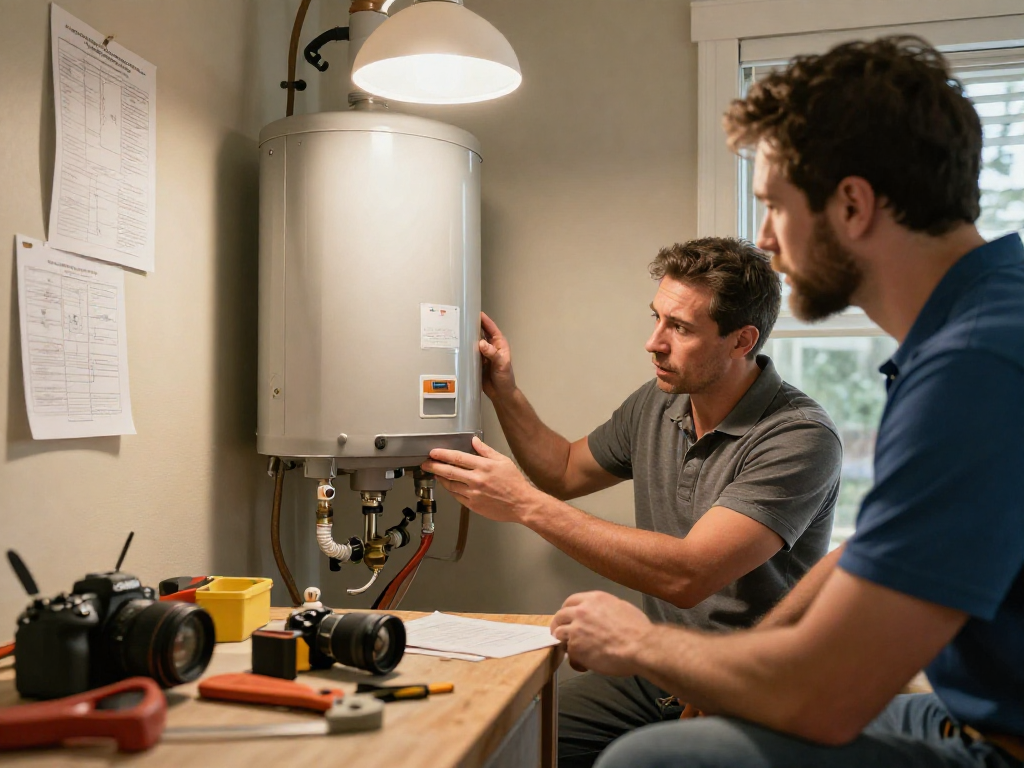
Understanding the Importance of Timely Water Heater Repair in Fort Worth
In the vibrant city of Fort Worth, where homes thrive on efficient plumbing systems, the importance of timely water heater repair Fort Worth cannot be overstated. Homeowners rely on their water heaters for daily activities—from showers to washing dishes—and any disruption can lead to significant inconveniences. Understanding when to seek repairs and the impact of neglecting such issues can save Fort Worth residents both time and money.
Common Signs That Your Water Heater Needs Immediate Attention
Recognizing the signs that your water heater needs repairs can be invaluable. Here are some common indicators:
- Inconsistent Water Temperature: Fluctuations in water temperature can indicate sediment buildup or a failing heating element.
- Unusual Noises: Popping, cracking, or rumbling sounds often suggest sediment accumulation at the bottom of the tank.
- Leakage: Puddles around the base of the heater are a clear sign of a potential leak that requires immediate attention.
- Rusty Water: If your hot water appears rusty, it may indicate corrosion within the tank or pipes.
- Odor: A sulfuric or rotten egg smell could suggest bacteria build-up in the tank or a deteriorating anode rod.
Consequences of Delaying Water Heater Repairs
Delaying necessary water heater repairs can lead to multiple issues, including:
- Increased Utility Bills: A malfunctioning water heater has to work harder, leading to higher energy costs.
- Complete System Failure: Small issues can escalate into major failures, requiring complete replacement rather than just repair.
- Water Damage: Undetected leaks can result in significant water damage, impacting your home’s structure and leading to mold growth.
- Health Risks: Contaminated water from a failing heater can pose serious health risks.
How Local Factors Affect Water Heater Performance
In Fort Worth, local factors such as water quality and temperature can significantly impact water heater performance. Hard water, which is prevalent in many areas, may lead to faster mineral buildup in heaters, necessitating more frequent maintenance. Additionally, the climactic changes experienced in Fort Worth can affect heating demands, making it essential for homeowners to stay vigilant in monitoring their systems during seasonal transitions.
Types of Water Heater Issues Fort Worth Homeowners Face
Common Problems with Traditional Water Heaters
Traditional tank water heaters face specific challenges, including:
- Thermostat Failures: A malfunctioning thermostat can lead to inadequate heating or overheating.
- Fluctuating Pressure: Changes in water pressure can affect hot water availability and system efficiency.
- Tank Corrosion: Over time, the interior of a tank can corrode, resulting in leaks and inefficiencies.
Identifying Issues with Tankless Water Heaters
Tankless water heaters are not without their problems. Common issues include:
- Inadequate Flow Rate: If your tankless system cannot keep up with demand, it may require service or upgrading.
- Mineral Buildup: Hard water can lead to scaling inside the heat exchanger, reducing efficiency.
- Electrical Failures: Electrical issues may hinder operation, requiring professional assessment and repair.
Understanding Plumbing Emergencies Related to Water Heaters
Water heaters can be at the center of plumbing emergencies. Burst tanks, significant leaks, or gas smell can indicate serious issues that necessitate immediate professional assistance. Recognizing these emergencies early and knowing who to call can mitigate damage and restore functionality swiftly.
Expert Tips for Choosing the Right Water Heater Service
What to Look for in a Reliable Plumbing Company
When facing a water heater problem, selecting a reliable plumbing company is crucial. Consider these factors:
- Experience and Certifications: Look for companies with a proven track record and relevant certifications.
- Insurance and Licenses: Ensure the plumbing service is licensed and insured to protect yourself from liability.
- Local Reputation: Research local reviews and ask for recommendations to gauge service quality.
Evaluating Customer Reviews and Ratings
Customer reviews can provide insights into the experience and reliability of a plumbing company. Pay attention to:
- Overall Ratings: High ratings usually suggest consistent quality service.
- Specific Feedback: Look for comments on response time, professionalism, and quality of work.
- Resolution of Complaints: Consider how the company addresses negative feedback—good customer service can indicate a commitment to quality.
Understanding Transparent Pricing and Estimates
Transparent pricing is a hallmark of reputable plumbing services. Seek estimates that clearly outline labor, parts, and any additional fees to avoid surprises later on. A trustworthy company will provide upfront pricing before commencing any work.
Preventative Maintenance Techniques for Your Water Heater
Regular Inspections to Catch Problems Early
Scheduling regular inspections can help identify potential issues before they become major headaches. A qualified technician can check for sediment buildup, corrosion, and overall functionality, ensuring your water heater operates efficiently.
How to Flush Your Water Heater for Optimal Performance
Flushing your water heater periodically is essential to remove sediment. Here’s how:
- Turn off the water heater and let it cool.
- Shut off the cold water supply.
- Connect a hose to the drain valve and direct it to a bucket or drain.
- Open the drain valve and flush out sediment until the water runs clear.
- Close the valve, remove the hose, and restore the water supply.
Tips for Extending the Life of Your Water Heater
To prolong the lifespan of your water heater, consider these tips:
- Regular Maintenance: Schedule annual inspections and flushes.
- Adjust Temperature Settings: Set the thermostat to 120°F to reduce stress on the system.
- Insulate the Tank: Insulating your water heater can improve efficiency and prevent heat loss.
Future Trends in Water Heater Technology and Repair Services
Innovations in Energy-Efficient Water Heaters
As technology evolves, so do water heaters. Energy-efficient models—like hybrid and solar-powered systems—are becoming more accessible, promising lower energy costs and reduced environmental impact. Homeowners should consider these options when replacing old units.
Predictions for Plumbing Advances in Fort Worth by 2026
By 2026, Fort Worth can expect advancements in plumbing technology, including smart water heaters that offer remote monitoring through smartphone apps. These innovations not only enhance convenience but also provide insights into system performance and efficiency.
Incorporating Smart Technology into Water Heating Solutions
Smart technology integration allows homeowners to manage heating systems efficiently. Features like adaptive heating schedules, leak detection alerts, and energy usage tracking can help maintain optimal operation and prevent emergencies.
What Should You Do If Your Water Heater Fails?
In the event of a water heater failure, it’s essential to:
- Shut off power or gas supply to prevent hazards.
- Turn off the cold water supply to halt any further inflow.
- Contact a professional plumber immediately to assess and resolve the issue.
How Can I Prevent Future Plumbing Emergencies?
Preventing plumbing emergencies hinges on regular maintenance and being vigilant about signs of trouble. Create a maintenance schedule, and ensure timely repairs to minimize the risk of sudden failures.
What Are the Benefits of Switching to a Tankless Water Heater?
Tankless water heaters offer numerous advantages, including:
- Endless Hot Water: They provide hot water on demand, eliminating the risk of running out.
- Energy Efficiency: They use less energy, reducing monthly utility bills.
- Longer Lifespan: With proper maintenance, they can last up to 20 years, compared to traditional tanks’ 10-15 years.
How Often Should I Schedule Professional Maintenance?
Homeowners should schedule professional water heater maintenance at least once a year. Regular inspections can help identify and resolve minor issues before they escalate, ensuring your system remains efficient.
What to Expect During a Water Heater Inspection?
A professional water heater inspection typically involves:
- Checking the anode rod for corrosion.
- Inspecting for leaks around valves and fittings.
- Flushing the tank to remove sediment buildup.
- Testing the thermostat and heating elements for proper function.
- Ensuring all safety mechanisms are working correctly.